Father Foote’s Cave
A smaller sandstone hollow a short walk up from Mother Ludlam’s, shaded by roots and branches, and the resting place, in his last years, of William Foote, the wandering tailor the newspapers of 1840 called “a modern hermit”.
“Take me to the cave again.”
The hermit of the Wey
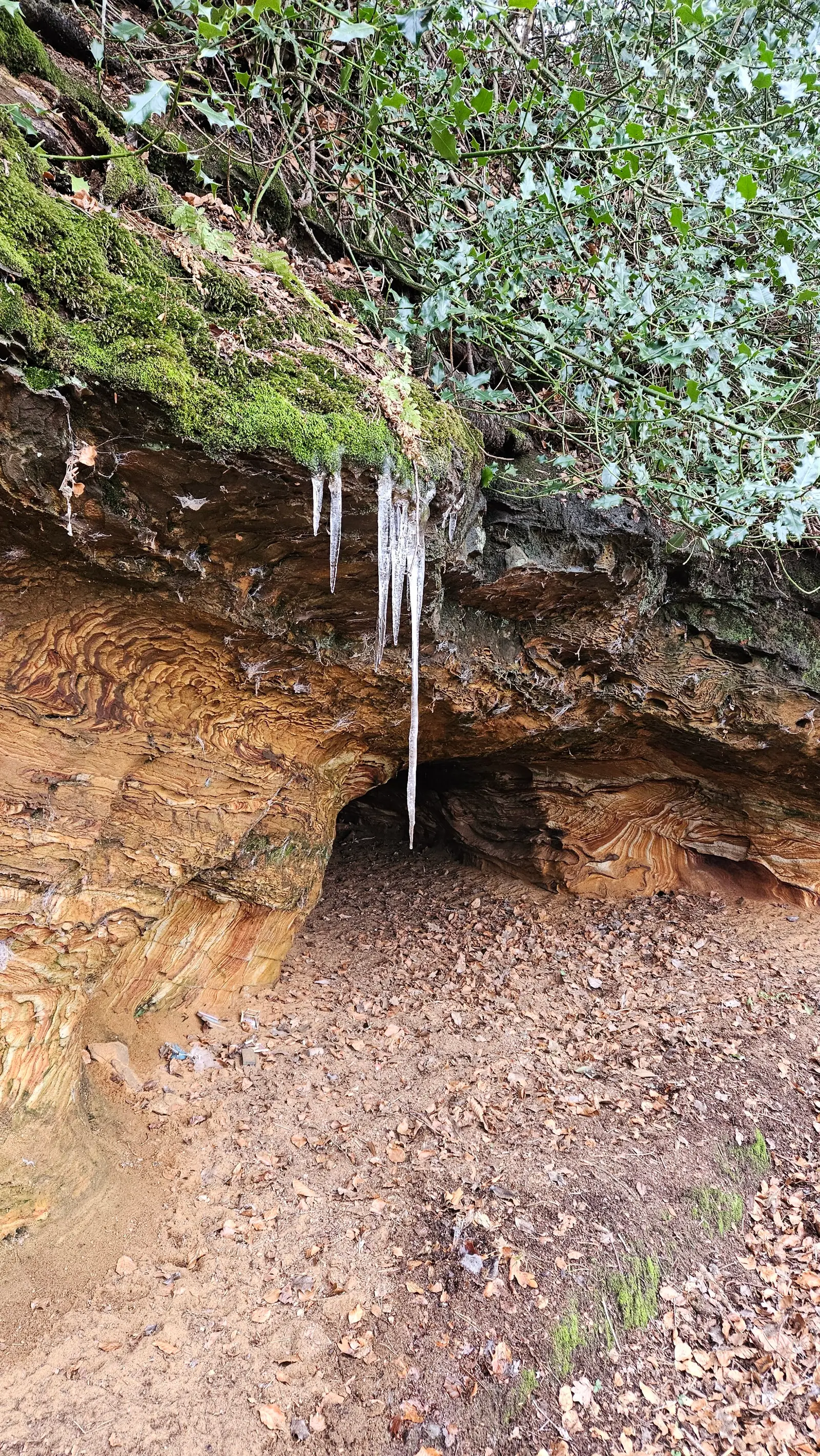
Father Foote’s Cave is a smaller sandstone hollow in Moor Park, a short walk from Mother Ludlam’s. Tucked beside the River Wey and shaded by roots and branches, it feels like a quiet pocket of time. The opening is modest, yet the story attached to it is anything but small.
In the 1830s a travelling tailor called William Foote took rough shelter near this spot. Winter bit hard, work was scarce, and neighbours sometimes shared what little they had. In January 1840 he was found near death and carried to a nearby cottage, where he died that evening. An inquest recorded starvation and exposure. Newspapers called him a “modern hermit” and preserved a line that still moves people: “Take me to the cave again.”
After his death the name Father Foote’s Cave settled into local use, marking a place where hardship, charity and memory meet. Visitors notice how the sandstone catches light, how water sounds different here, how close the past can feel when you stand in the doorway and look back toward the path.
Today the cave remains a quiet landmark. Come for the story and the setting, tread kindly, and carry the memory forward.
The record of 1840
The inquest and the newspapers fixed William Foote’s image as the modern hermit of the Wey. The documents survive; click any to read them closer.
1840
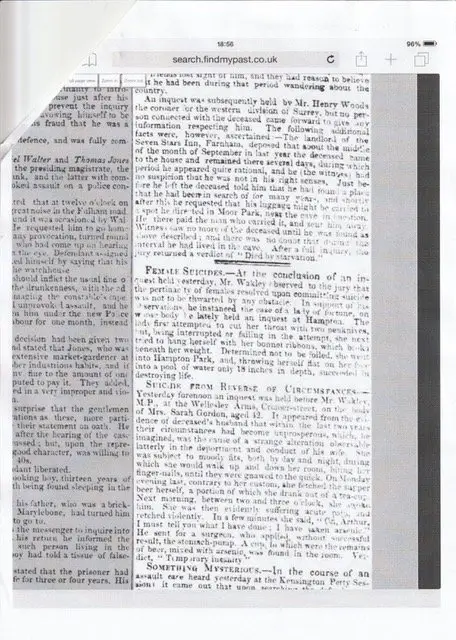
The Morning Post, London: the report of Foote’s death (via FindMyPast).
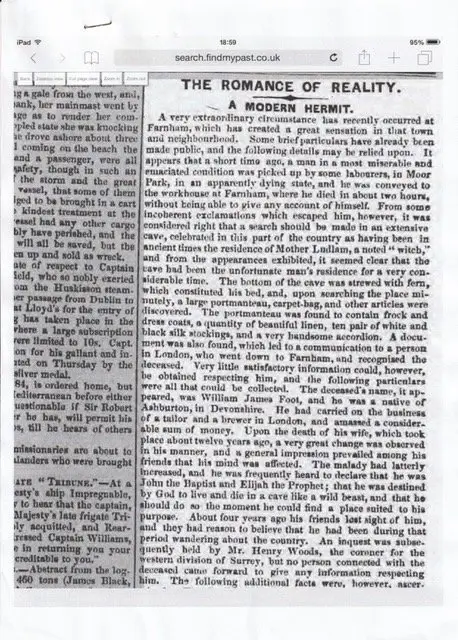
1840
The Era, London: “a modern hermit” (via FindMyPast).
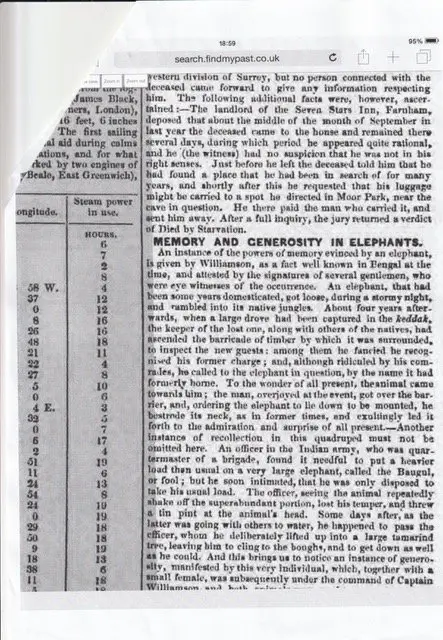
1840
The Era: the account continued.
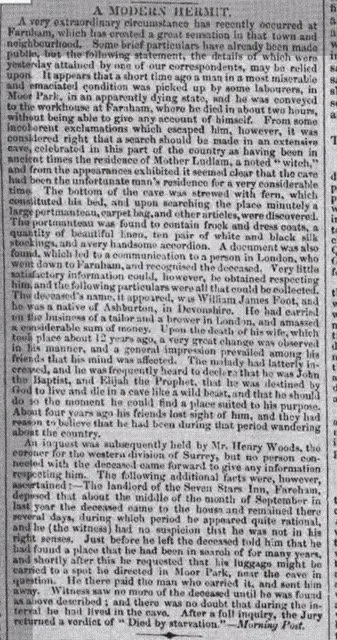
1840
Oxford Journal: the story carried across the counties.
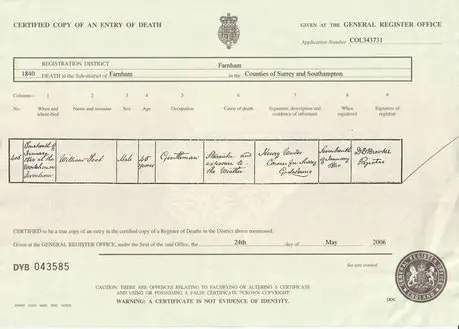
January 1840
The death certificate: starvation and exposure recorded at inquest.
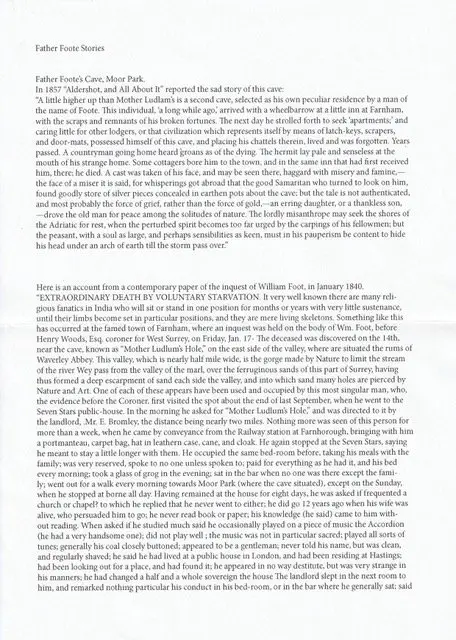
Research
From the gathered research on Foote’s life and last winter.
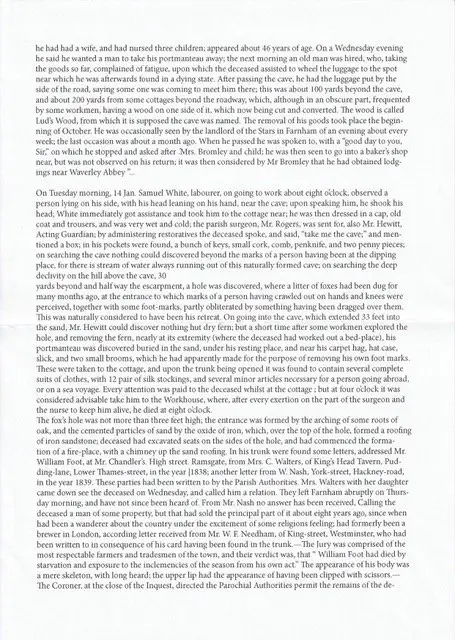
Research
The research continued.
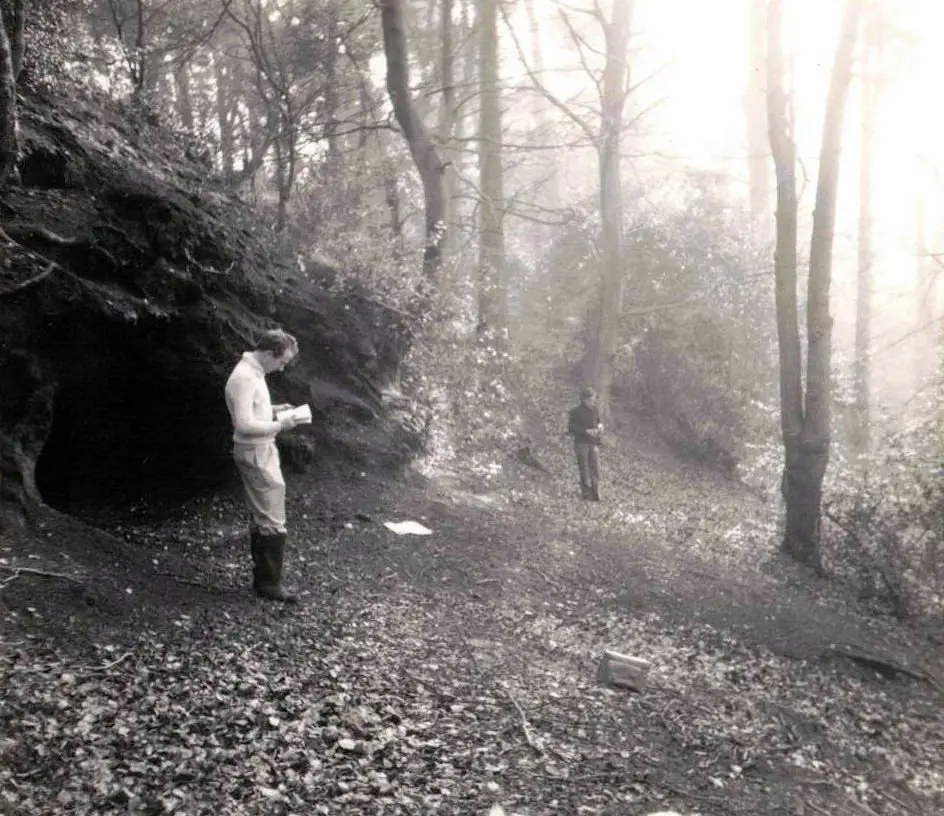
February 1975
Mr Sankey, then owner, at the cave during the 1975 visits.
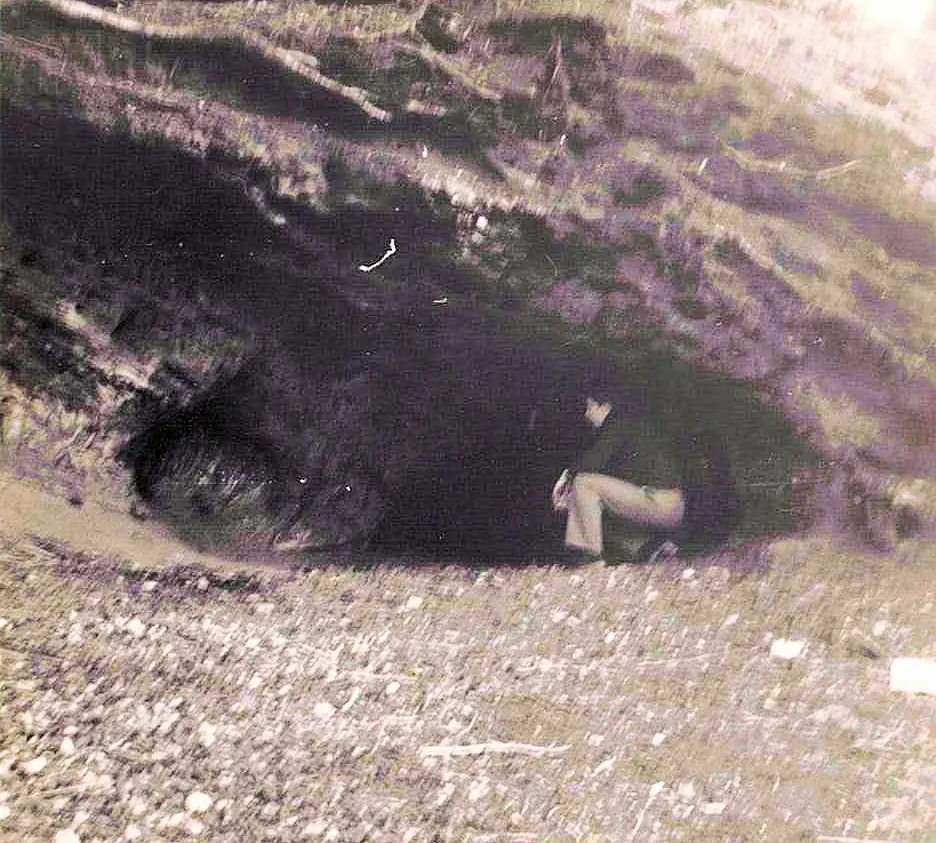
February 1975
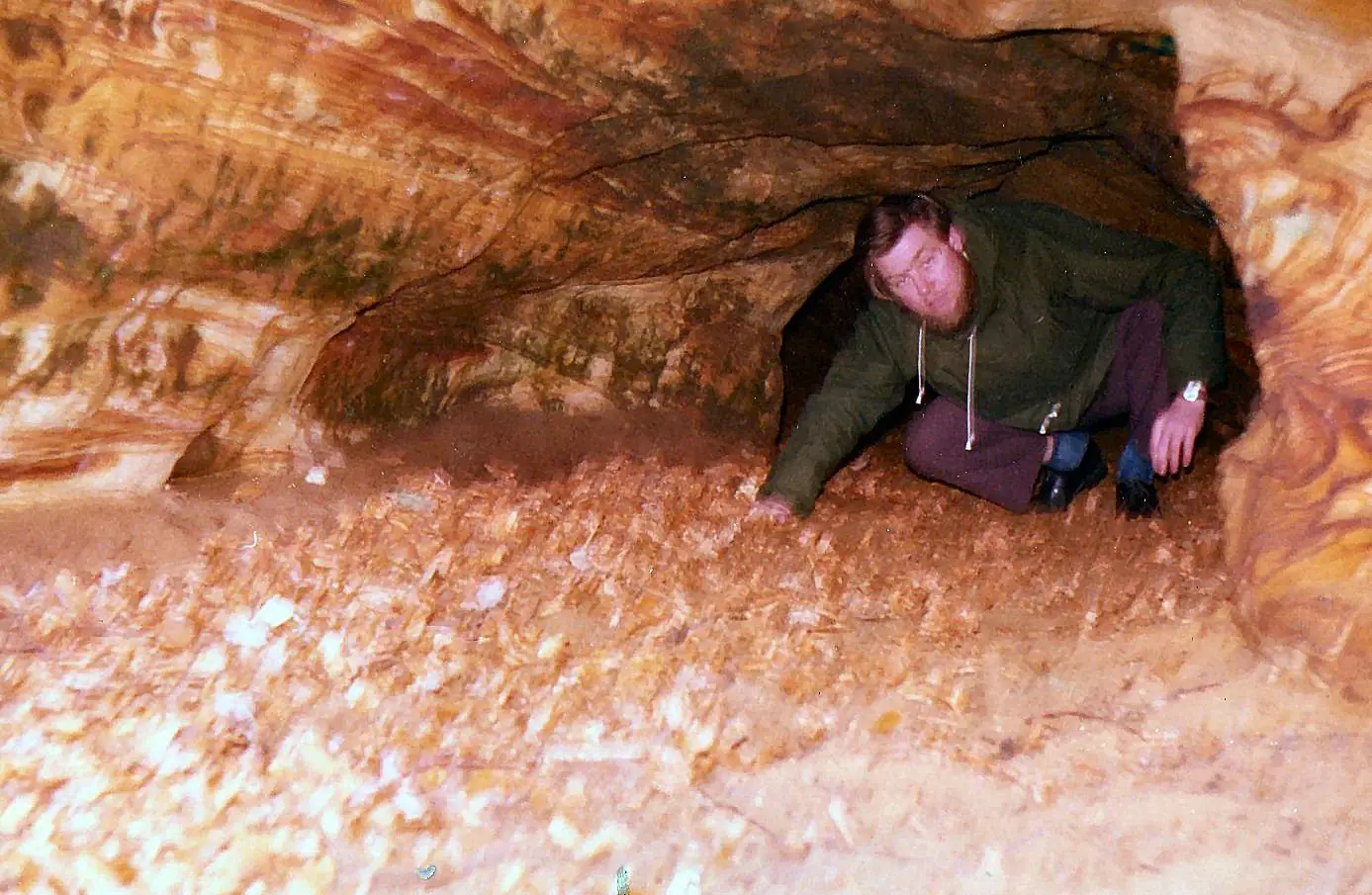
John Thomas inside Foote’s Cave.
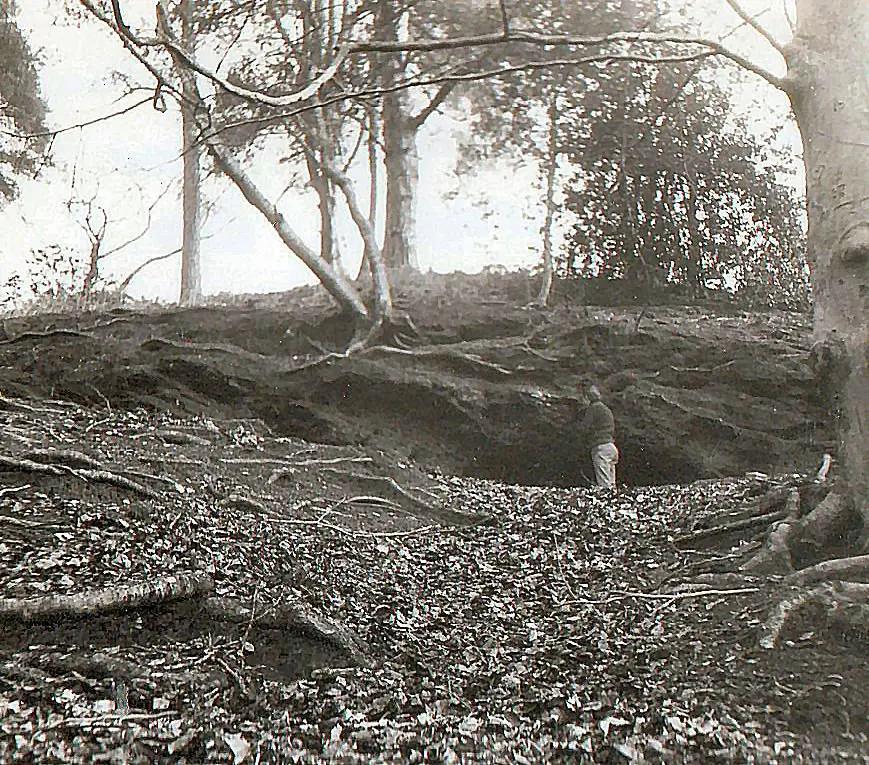
February 1975
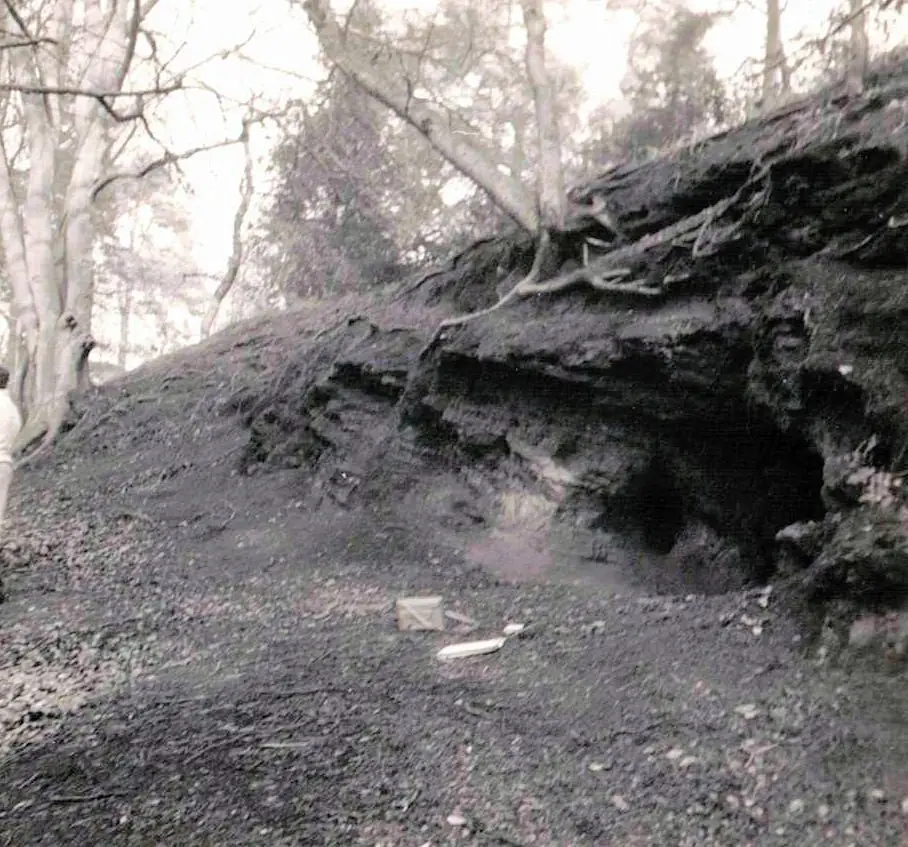
The slope below the cave, photographed the same day.
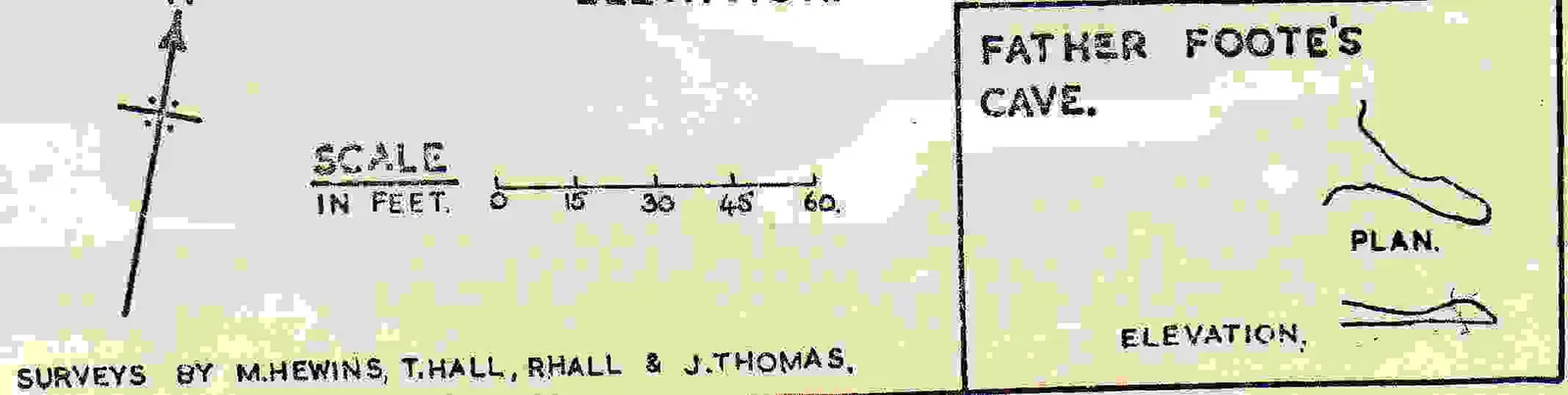
Stand in the doorway yourself
Guided tours take in both caves, Mother Ludlam’s and Father Foote’s, at an easy pace, with the stories told where they happened.
Enquire about a tourBoth caves are included when you hire the site as a filming location.